Well Pump Replacement & Repair
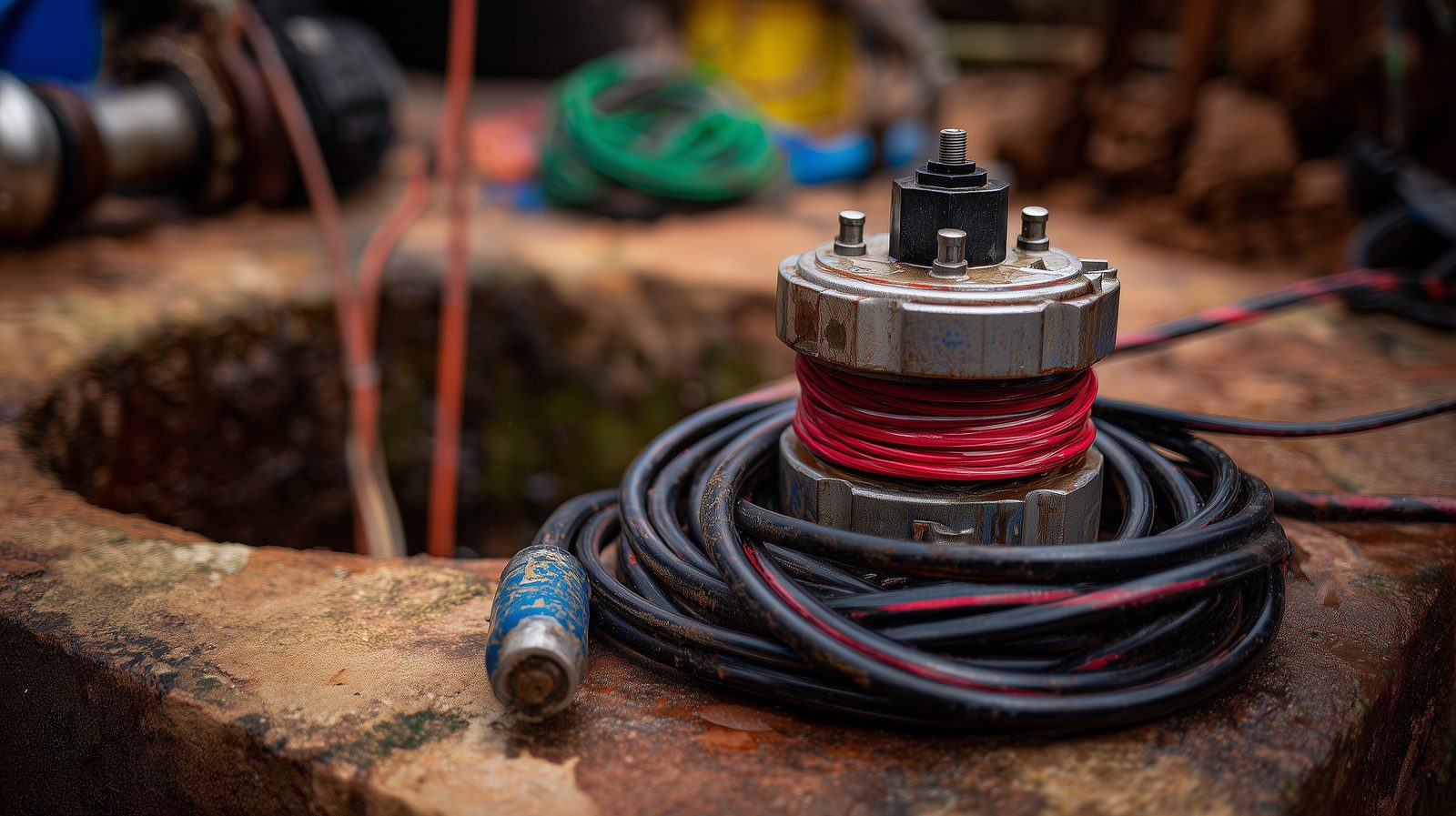
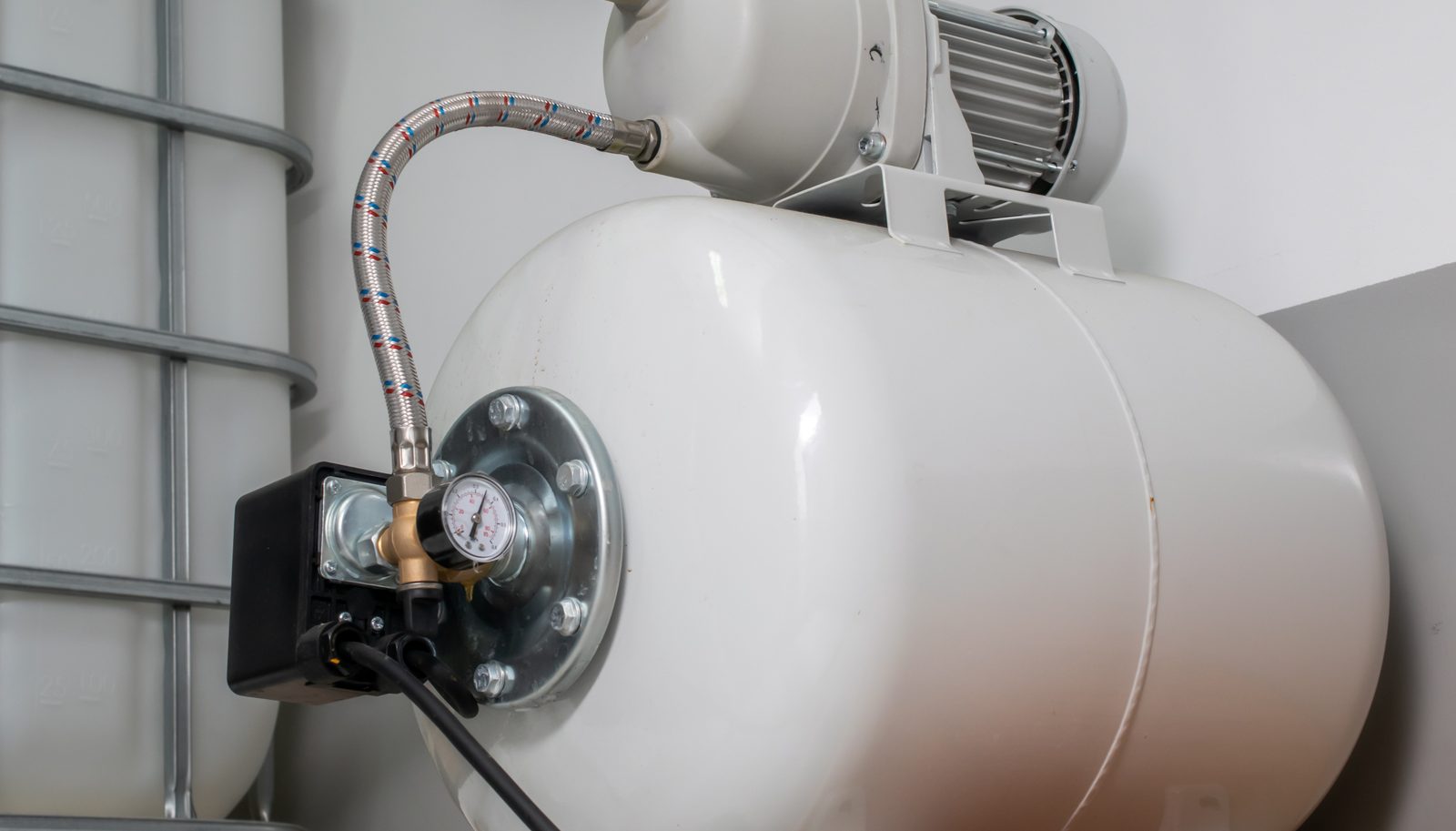
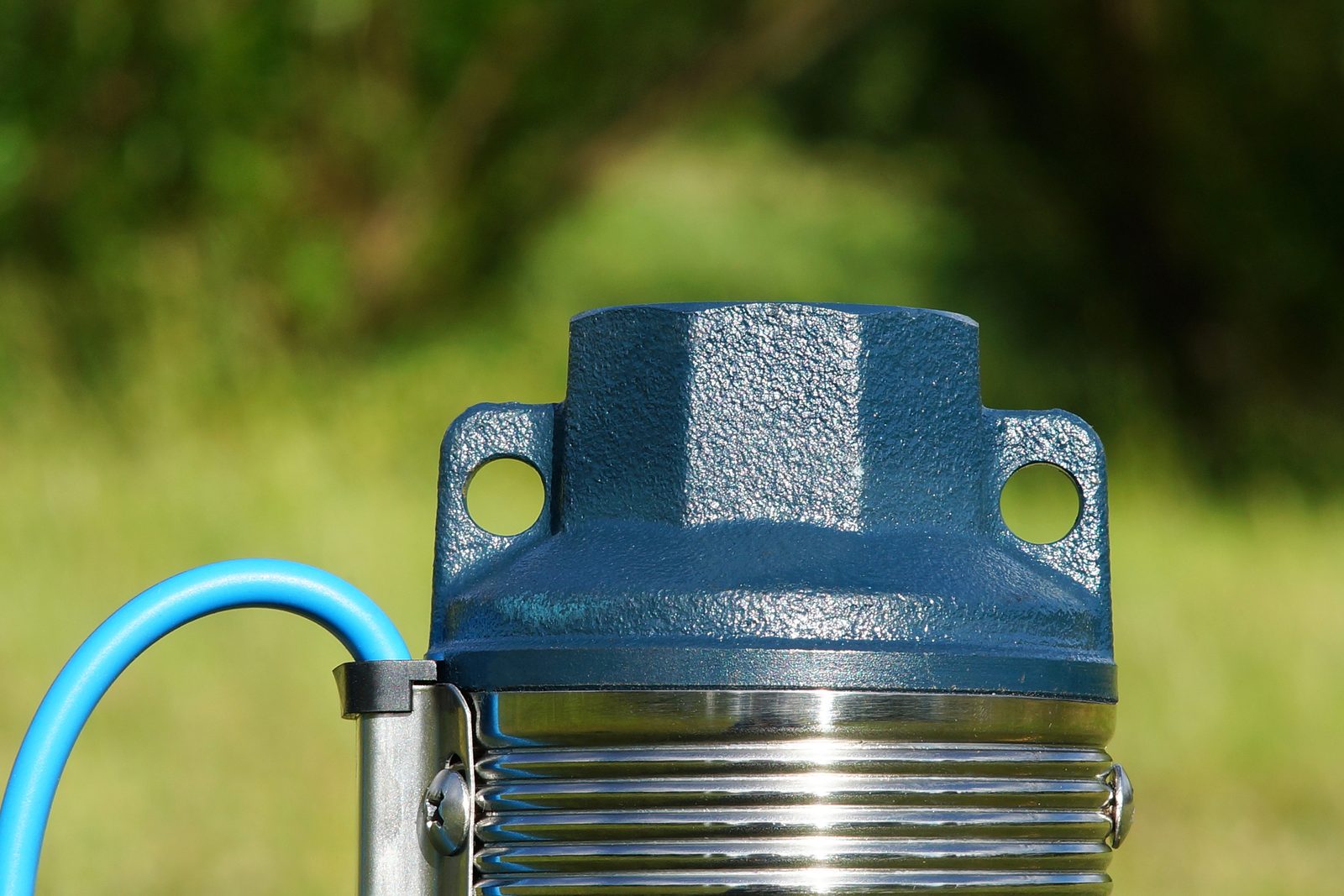
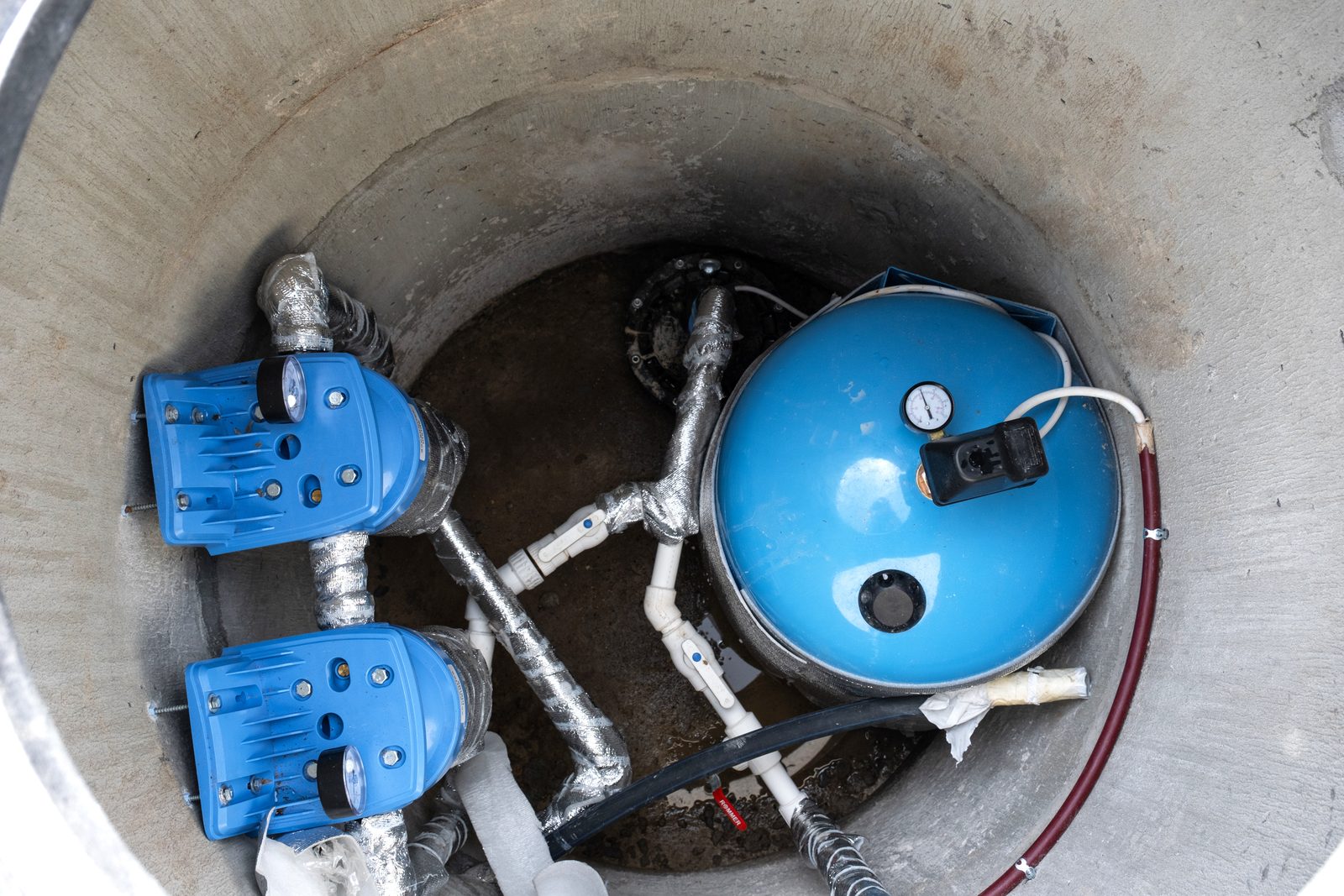
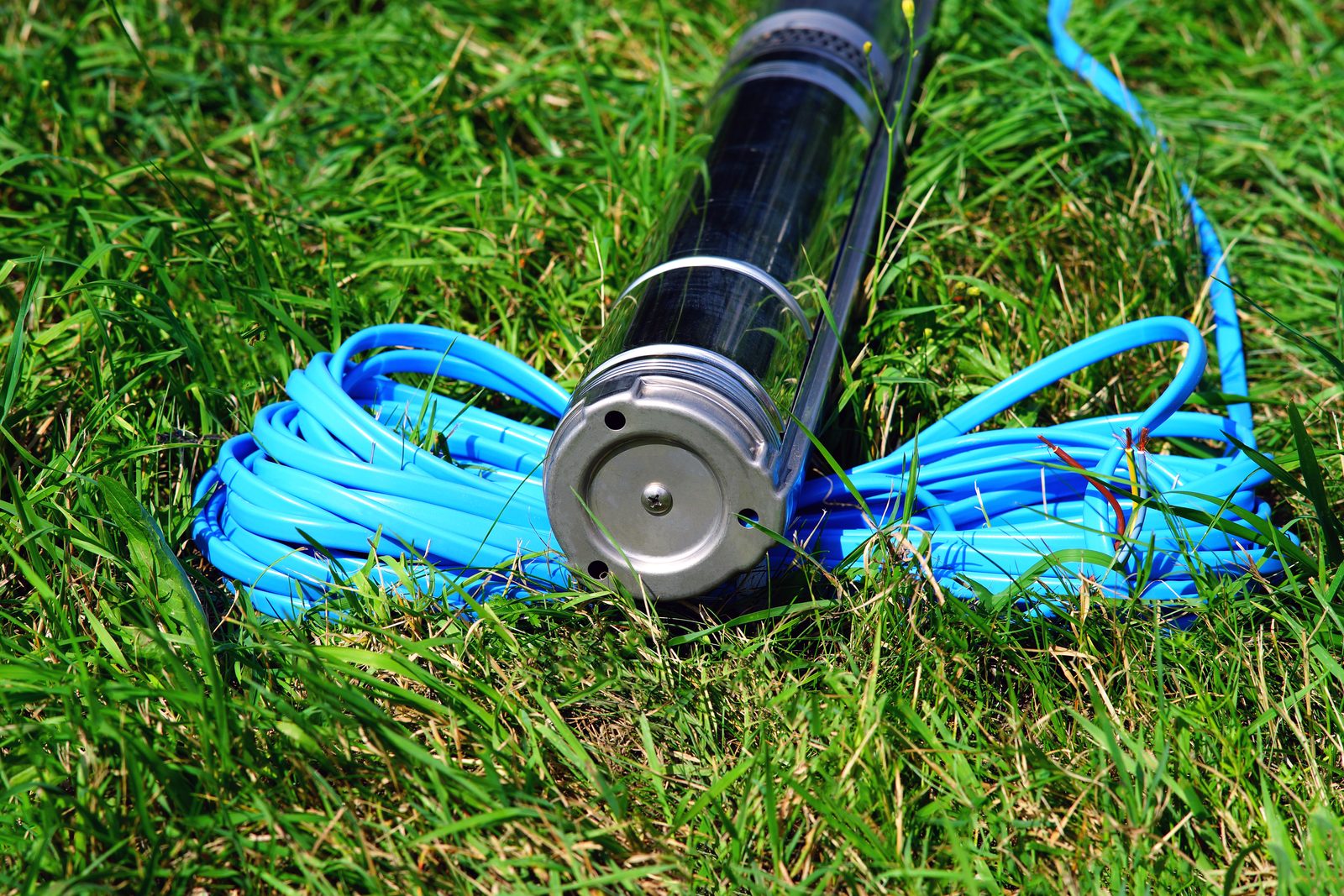
Repair is priced by the failed part. Above-ground parts run $125–$500 — a pressure switch is $125–$300, a control box or capacitor $175–$500 — and every repair band here includes the $100–$200 service call. The moment a job means pulling the pump out of the well, it starts near $1,000: pump pull and motor work runs $950–$2,650. Replacement is priced by pump type and depth: a jet or shallow-well pump (under 100 ft) runs $450–$1,400, a standard submersible at 100–300 ft runs $1,000–$2,500, and a deep submersible past 300 ft runs $1,500–$5,000. A pressure tank is its own line, by size: $400–$900 small, $800–$1,500 standard, $1,500–$2,500 large. After-hours calls add $150–$300, and we'll tell you that up front.
Well Drilling
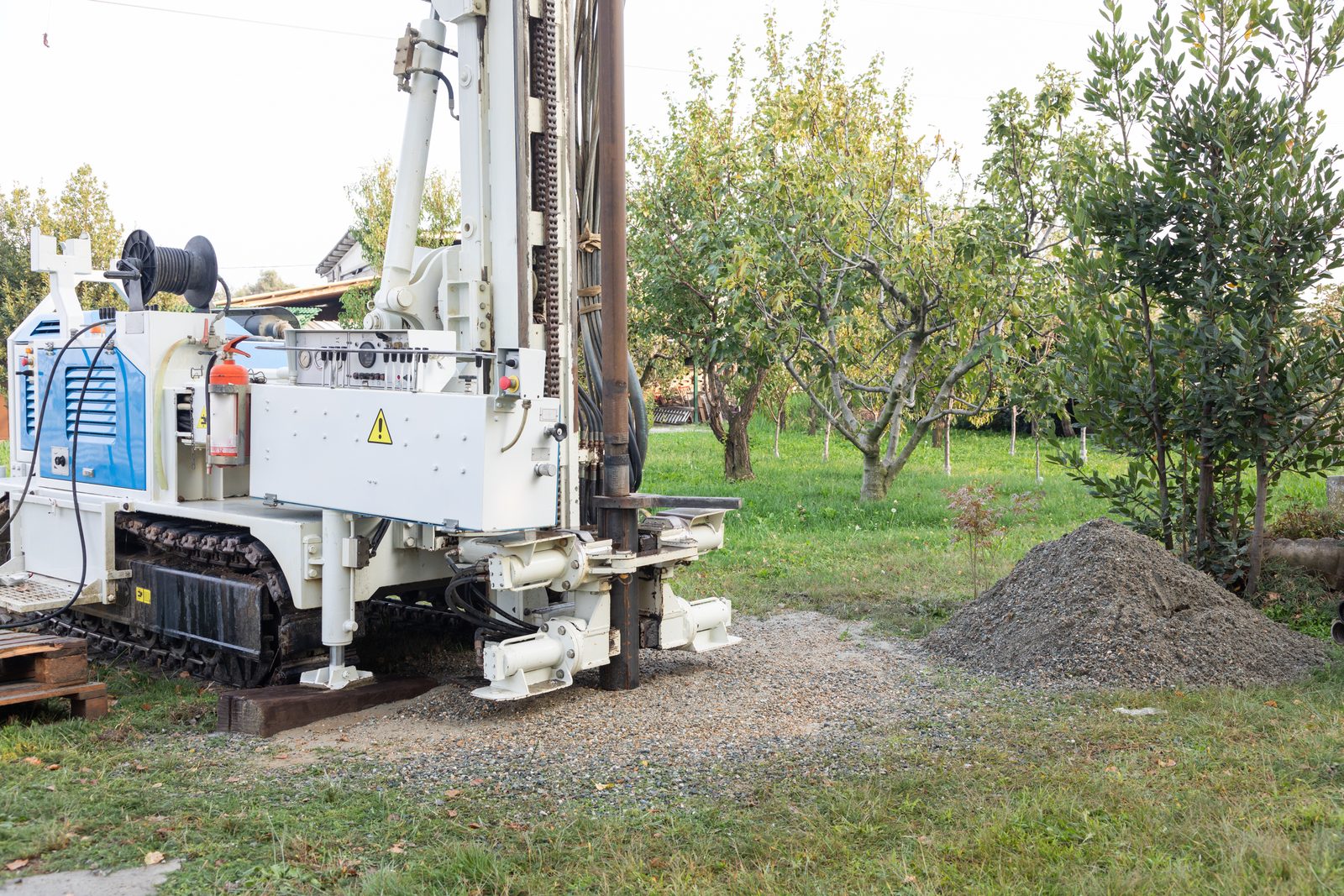
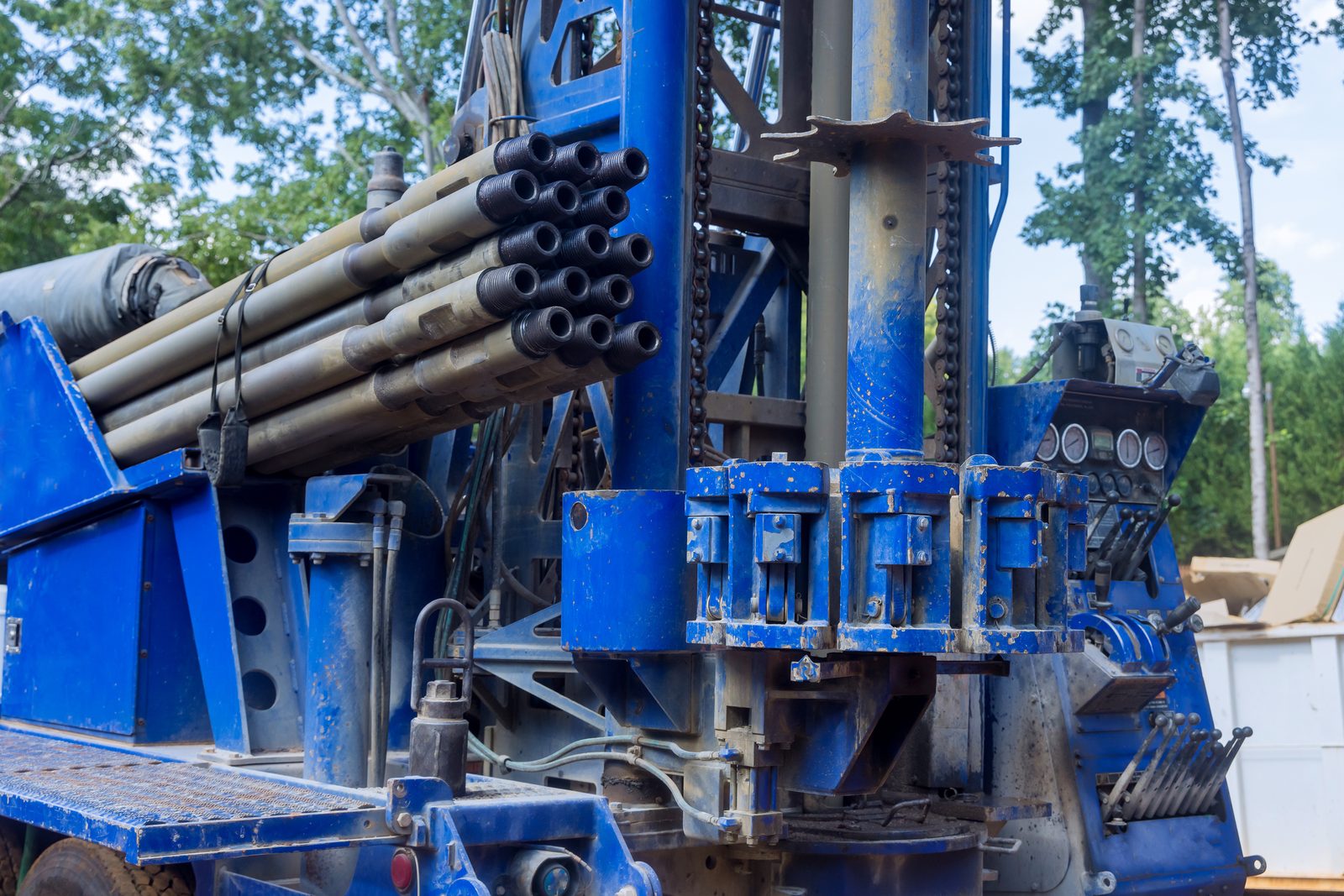
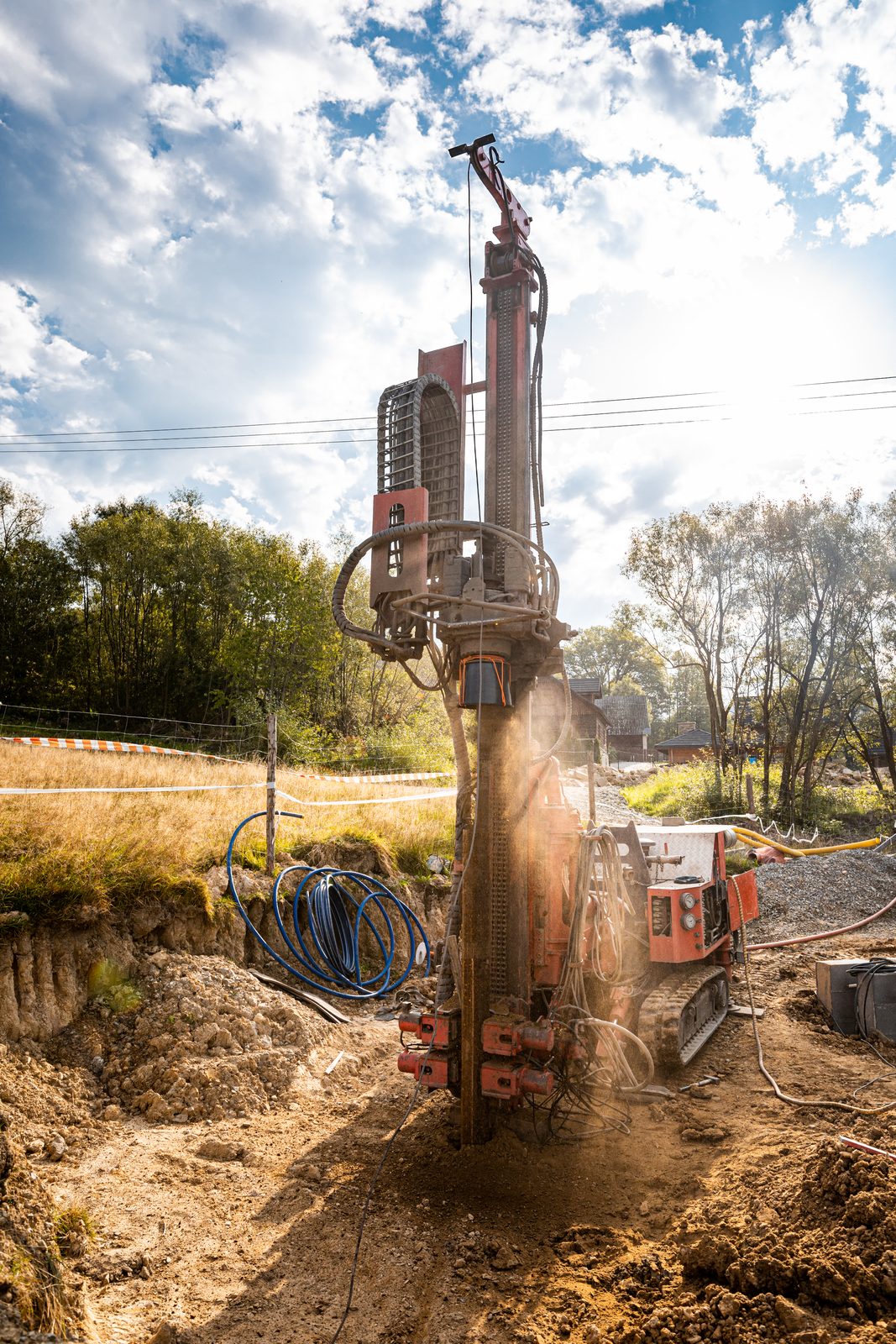
Drilling is priced per foot, and the rate follows the ground. Through sand and gravel it's $28–$50 a foot; through mixed glacial ground and till, $40–$60; through bedrock, $50–$65 — that's the published Minnesota band, split by geology. The hole alone isn't a well, though: the completion package — pump, pressure tank, electrical hookup, and permit — adds $2,500–$5,500. A typical 200-foot well in mixed ground, complete, lands at $10,500–$17,500, right in line with the published $6,000–$16,000 complete-well range and Minnesota's average complete system of about $15,500. Honest timing: a new well is a 4–8 week process from first call to water on, most of it scheduling and permitting, not drilling.
Inspection & Testing
Most inspection calls come with a closing date attached. A well inspection runs $250–$550, a full septic compliance inspection $300–$650, and the two together on one visit run $400–$650 — cheaper than booking them apart, on purpose. Lab water testing rides along as an add-on: a basic panel is $100–$350, an extended panel $350–$750. You get a written report your lender and the county can work from.
What Moves the Price
- Depth. Every foot of well is more drop pipe, more wire, and more time on the pull. Depth is the single biggest driver on both replacement and drilling.
- The ground. Sand and gravel drill easy; bedrock eats bits and hours. Same depth, three different per-foot prices.
- The failed part. A $40 switch and a burned-out motor are both “the pump quit” — one is a switch at $125–$300, the other means pulling the whole string.
- Tank size. A bigger pressure tank costs more because it's more tank — but it also makes the pump cycle less and live longer.
- After hours. Nights and weekends add $150–$300 to repair work. We'll say so before we roll, never after.
Where these numbers come from. Published national cost guides — Angi, HomeAdvisor, and HomeGuide project data — with drilling priced off Angi's Minnesota per-foot table ($28–$65/ft) and checked against the NGWA-survey Minnesota average for a complete system (about $15,500 at 200 ft). They're planning ranges, not a quote: your final price is confirmed in writing after an in-person look, before any work starts.
A word about materials and equipment. These ranges are figured on standard, proven equipment — a name-brand submersible pump, standard casing, a pressure tank sized to the house. Materials are not all the same, and neither is the ground the well goes into. A well drilled through bedrock eats bits and time a sand well never sees; a deep well needs more drop pipe, more wire, and a bigger pump than a shallow one; a bigger pressure tank costs more than a small one because it is more tank. That's why two jobs that sound alike can price thousands apart, and why the exact pump, materials, and price get confirmed at the in-person estimate, in writing, before any work starts.