Well Drilling in Rochester, MN
Well drilling in Rochester starts with the ground, and the ground around Rochester is mostly kind: sand and gravel left by the glaciers, with mixed till under it and bedrock in places. What the bit goes through decides the per-foot price more than anything else.
We drill new wells for new homes, for homes becoming year-round houses, and for old wells that have given up. One job, start to finish: the hole, the casing, the pump, the pressure tank, the electrical hookup, and the permit — all on one written price before the rig rolls.
Per-foot, drilling and casing runs $28–$50 through sand and gravel, $40–$60 through mixed glacial ground, and $50–$65 through bedrock. The completion package adds $2,500–$5,500. The full breakdown lives on our well drilling cost page.
A typical 200-foot well around here lands between 100 and 300 feet deep — deep enough to get under the surface water and into clean, steady groundwater. We'll talk depth honestly: deeper costs more per job, but a well that's too shallow is a problem that never stops costing.
When the water's on, the job isn't quite done — a new well gets tested and, if it's for a home sale or a lender, documented. That's the well inspection side of the work, and we handle it as part of the same relationship.
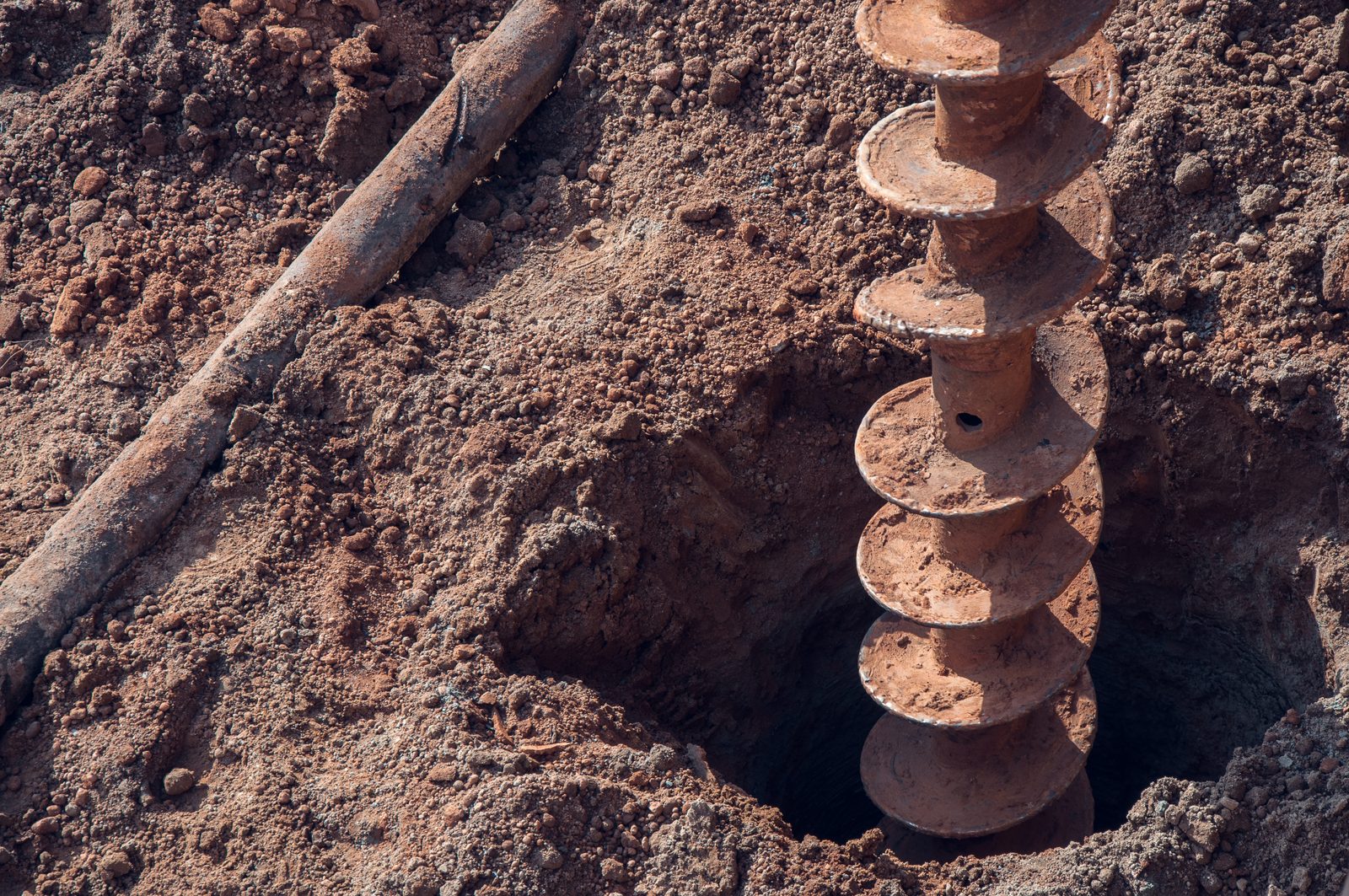
How a new well job runs
First a site visit: where the well can go (setbacks from septic and property lines are law, not preference), where the rig can get in, and what the ground likely holds, from neighboring wells and state records. Then a written estimate with the depth range and the per-foot rate for your ground.
Then the permit is filed — in Minnesota the paperwork comes before the rig, not after. Drilling itself is days, not weeks: the hole goes down, the casing is set, and the ring around the casing is grouted. That grout seal is what keeps surface water — and anything it carries — out of your well.
After that comes completion: the pump, pressure tank, and electrical hookup go in, the water is run clear and tested, and the well record is filed with the state. Be honest with your calendar, though: from first call to water on, plan on 4–8 weeks. Permits, scheduling, and the completion work take the rest. Anyone who promises you a new well by Friday is selling, not drilling.
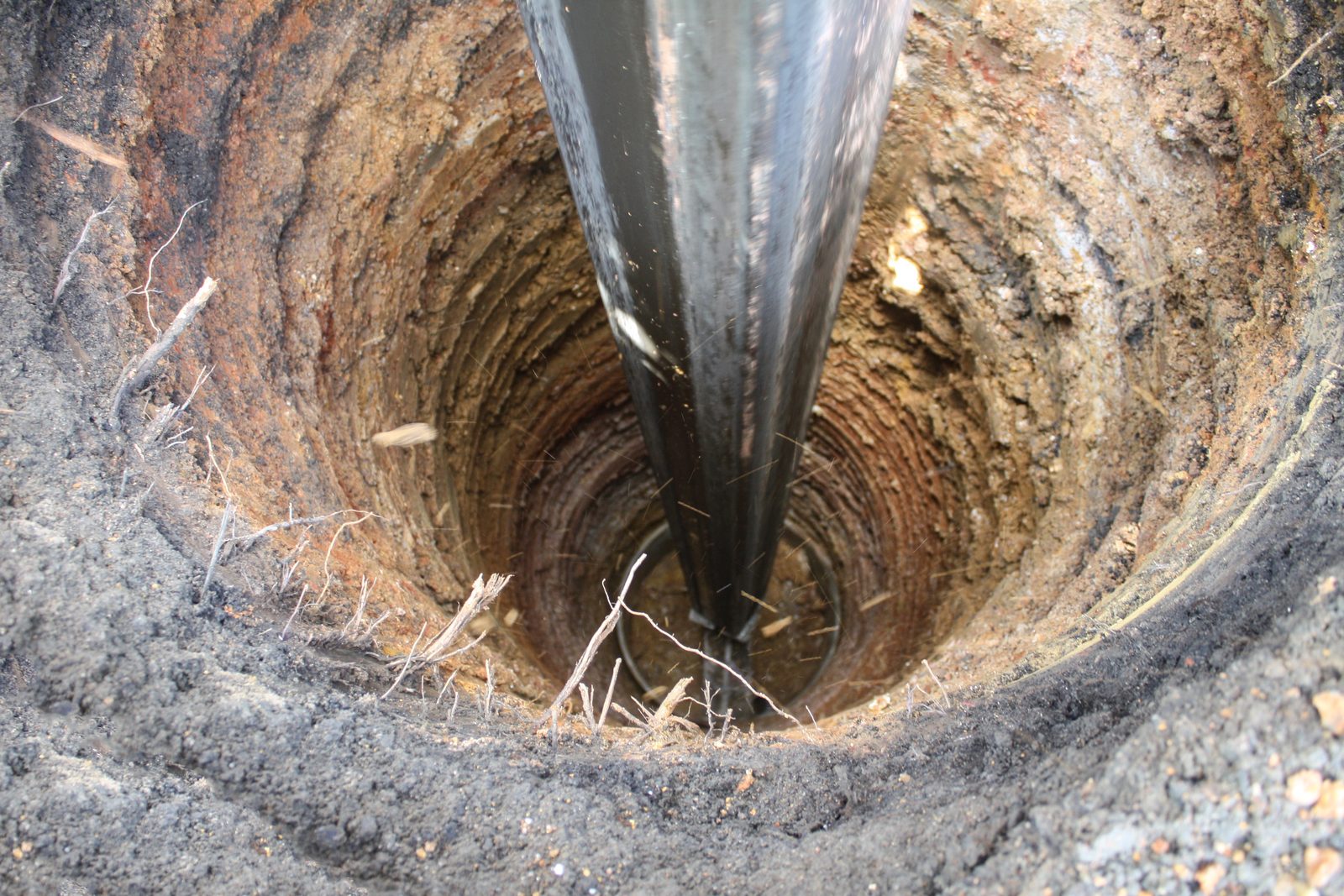
Already have a well that quit?
A dry house isn't always a drilling job. More often it's the pump, the switch, or the tank — which is well pump repair, at a tenth of the price of a new hole. We'll check the system you have before we ever quote you a new one.
How deep will my well be?
Most wells around Rochester land between 100 and 300 feet. Your exact depth depends on your ground — we'll estimate it from nearby well records before we drill and price the range in writing.
How long does the whole thing take?
Plan on 4–8 weeks from first call to water on. The drilling is a few days of that; permits, scheduling, and completing the well take the rest.
What does the price include?
Drilling and casing per foot, plus the completion package — pump, pressure tank, electrical hookup, and permit — as one written number. No separate surprise bills from three different companies.
Can you drill in winter?
Yes, wells get drilled year-round in Minnesota. The ground's frozen layer is a small part of a 200-foot hole. Scheduling is the bigger factor, not the season.
Call (612) 260-8779 — we answer around the clock — or send the form and we'll call you back.